
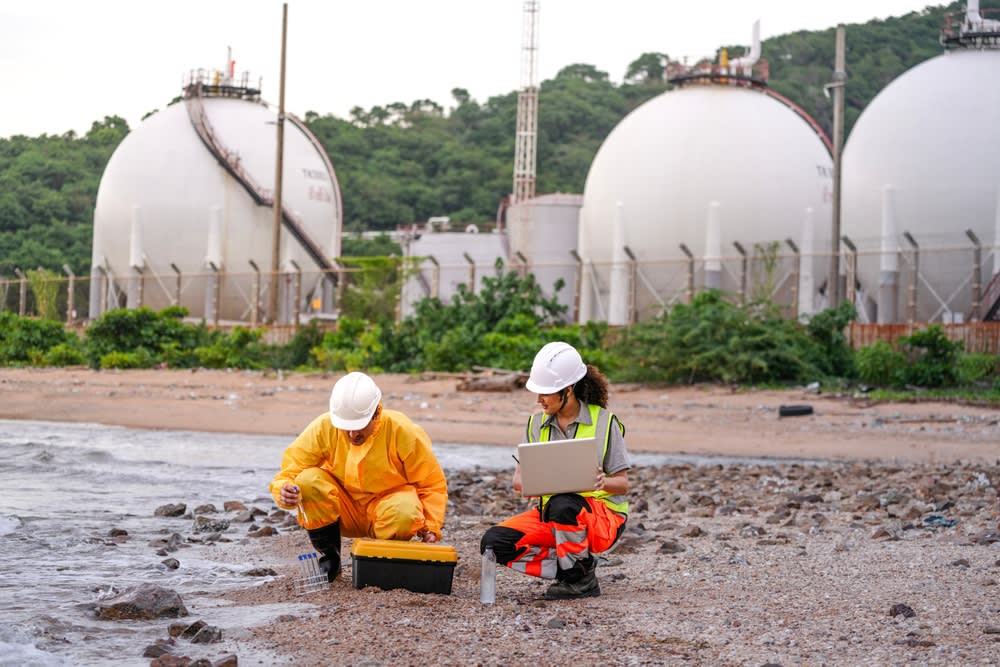

When purchasing a property, it is essential to understand any potential environmental liabilities associated with it. Buyers should investigate whether there are registered underground storage tanks near the property, known contaminated sites in the surrounding area, or neighboring property owners who may have faced environmental violations or government penalties for failing to meet safety regulations. Identifying these concerns early can help prevent costly surprises after closing.
In the past, obtaining this type of information often required expensive environmental site investigations, making it less accessible to the average buyer. Today, however, online environmental databases provide a more affordable and convenient way to research potential environmental risks. These tools allow buyers, investors, and real estate professionals to uncover information that may not be immediately visible during a standard property inspection.
Using these databases, it is possible to identify nearby hazards, environmental spills, contamination reports, and regulatory violations connected to surrounding businesses or properties. Access to this information can be extremely valuable when evaluating a property's overall risk and long-term investment potential. Conducting proper environmental due diligence before making a purchase can help buyers make more informed decisions and avoid unexpected liabilities.