
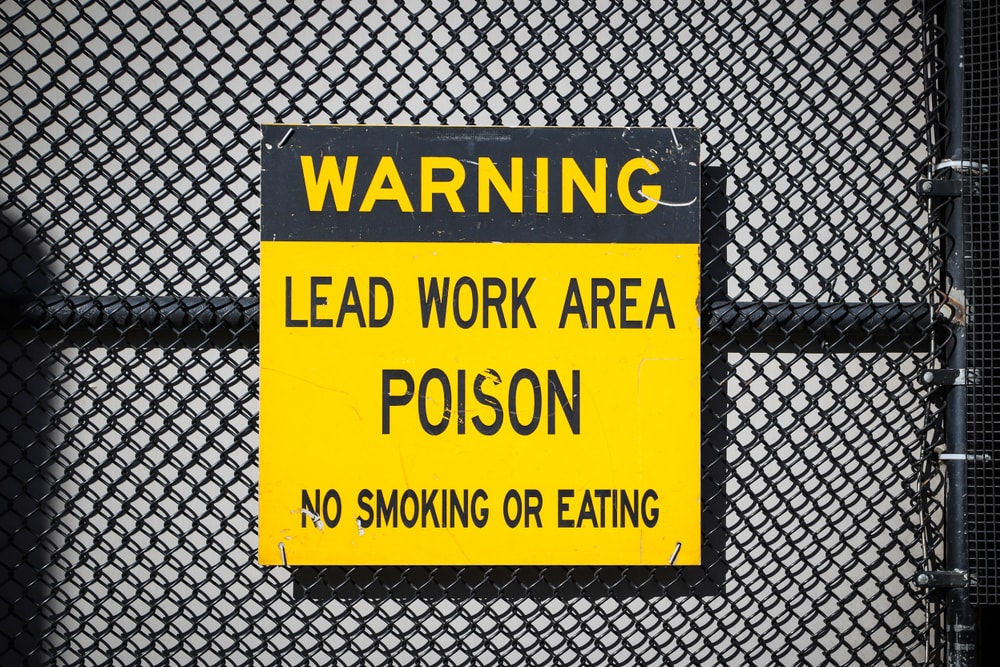

Lead poisoning is a serious health concern that can have long-term effects on both children and adults. In children, elevated lead levels may cause damage to the brain and nervous system, developmental delays, behavioral issues, learning difficulties, and hearing impairment. In adults, exposure to lead can contribute to high blood pressure, digestive complications, memory and concentration issues, nerve disorders, reproductive concerns, and ongoing muscle or joint discomfort.
This issue is especially common in older urban areas, where aging buildings and infrastructure increase the risk of exposure. Lead is often found in older paint, outdated plumbing systems, and contaminated soil or dust from past vehicle emissions and industrial activity. Because exposure can come from multiple sources, reducing the risk of lead poisoning in densely populated cities can be both complex and costly, despite government efforts to address the problem through federal safety programs and regulations.
For real estate buyers and sellers, lead-based paint remains an important consideration, particularly in homes built before 1978, when lead paint was commonly used in residential construction. Federal law requires sellers to disclose any known information regarding lead-based paint hazards before a property is sold. In addition, sales contracts must include the required federal lead-based paint disclosure form, and buyers are typically given up to 10 days to conduct inspections for potential lead hazards and request corrective action if concerns are identified.